Packages enter faster than security can review them
Developers and pipelines pull packages directly from public registries. That speed is useful, but it also means external code can enter trusted environments without a decision point.
Modern applications depend on thousands of external packages. Developers install them instantly, CI/CD pipelines pull them automatically, and builds often rely on code no organisation truly controls.
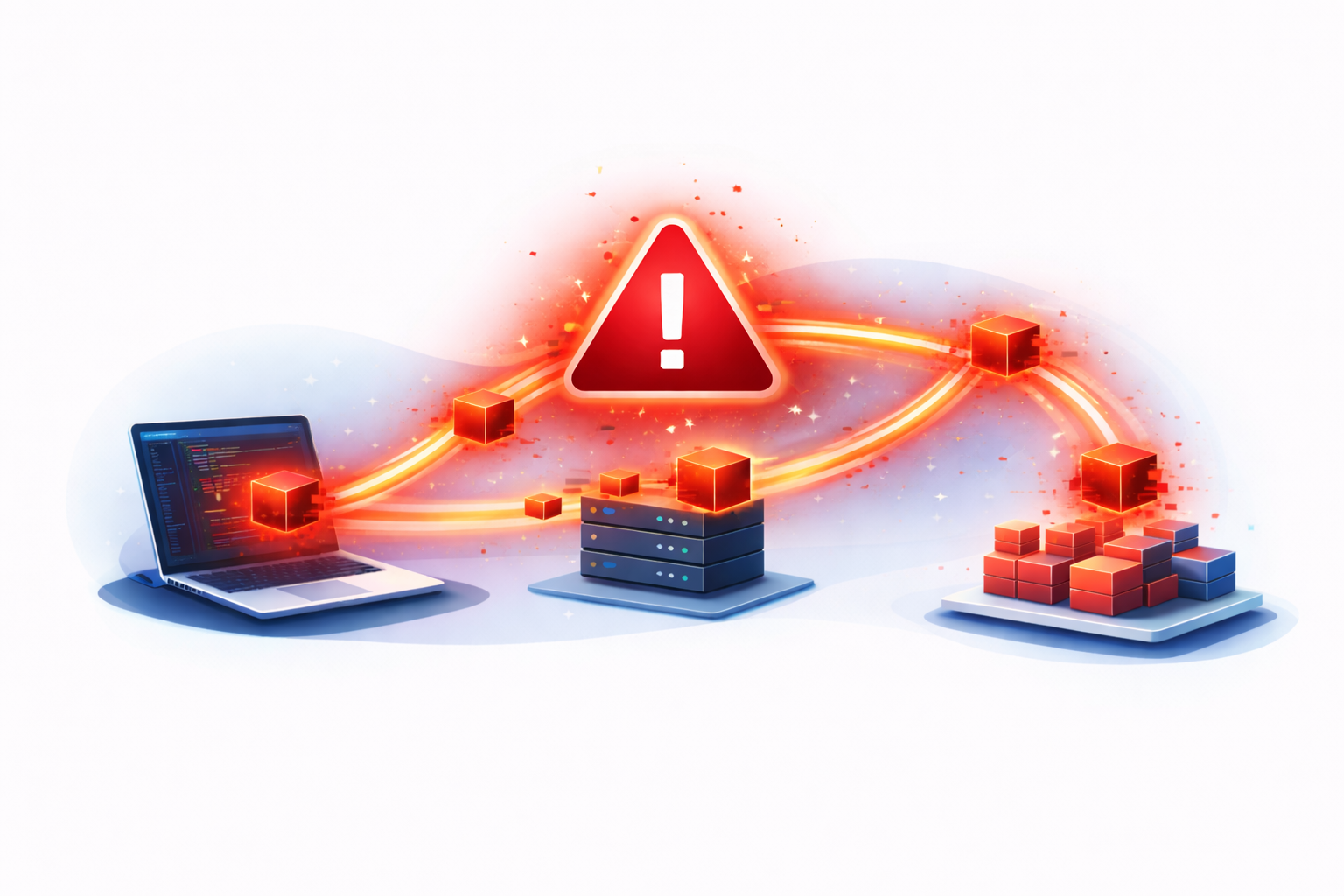
That is exactly where attackers strike. A single compromised package can infect developer machines, pipelines and production systems within minutes.
NpmShield is a dependency firewall. It sits between your environment and public registries and blocks risky packages before they are installed.
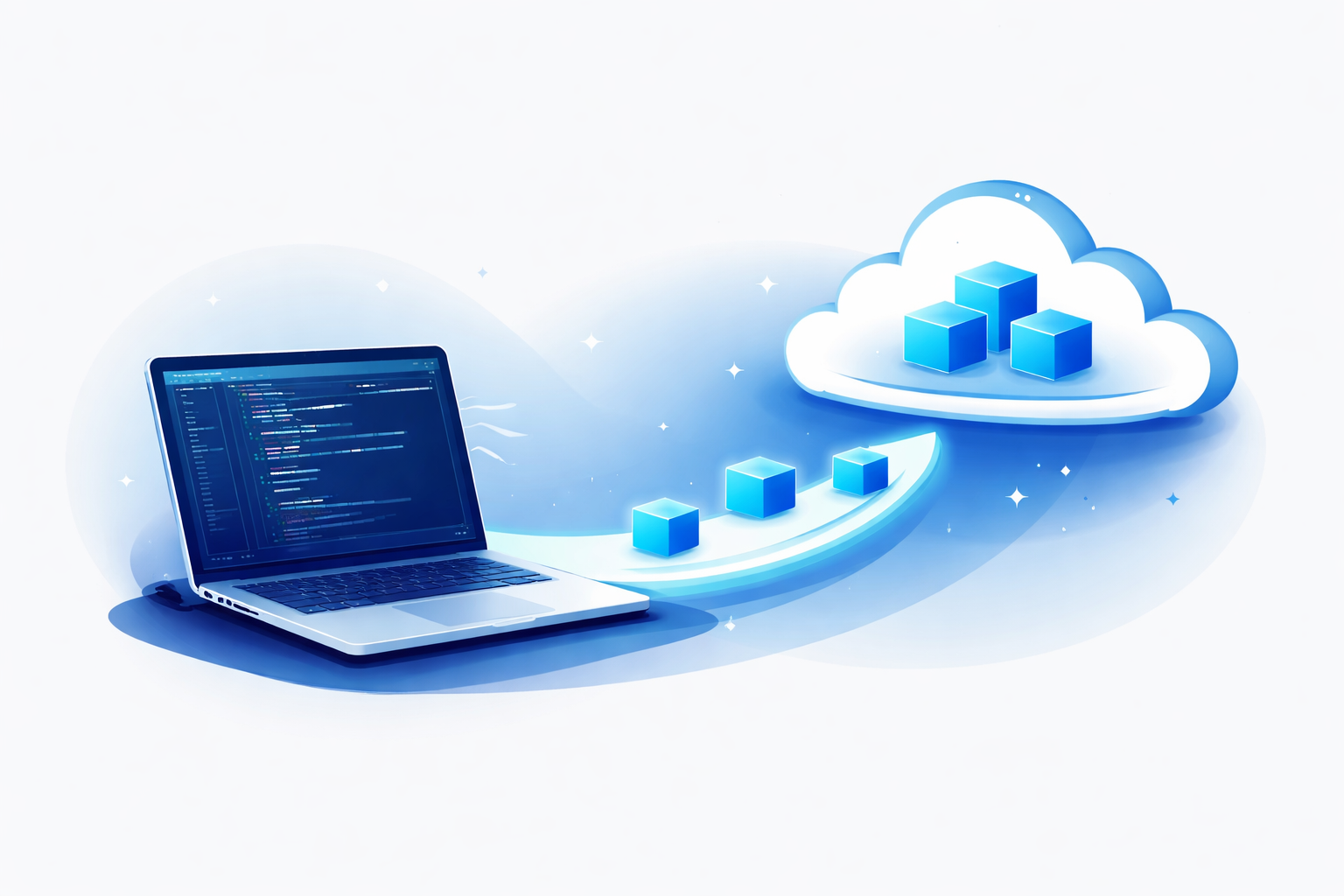
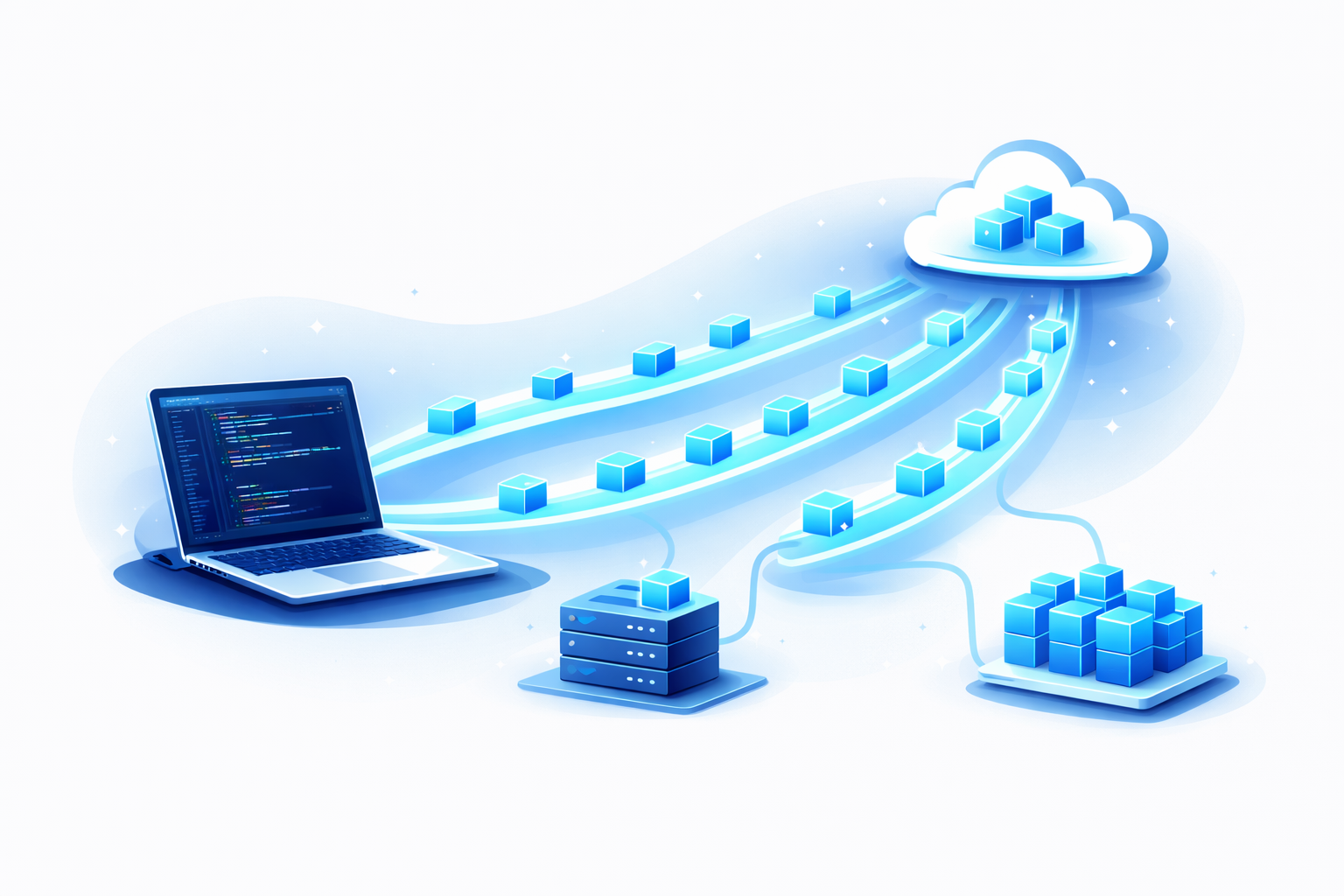
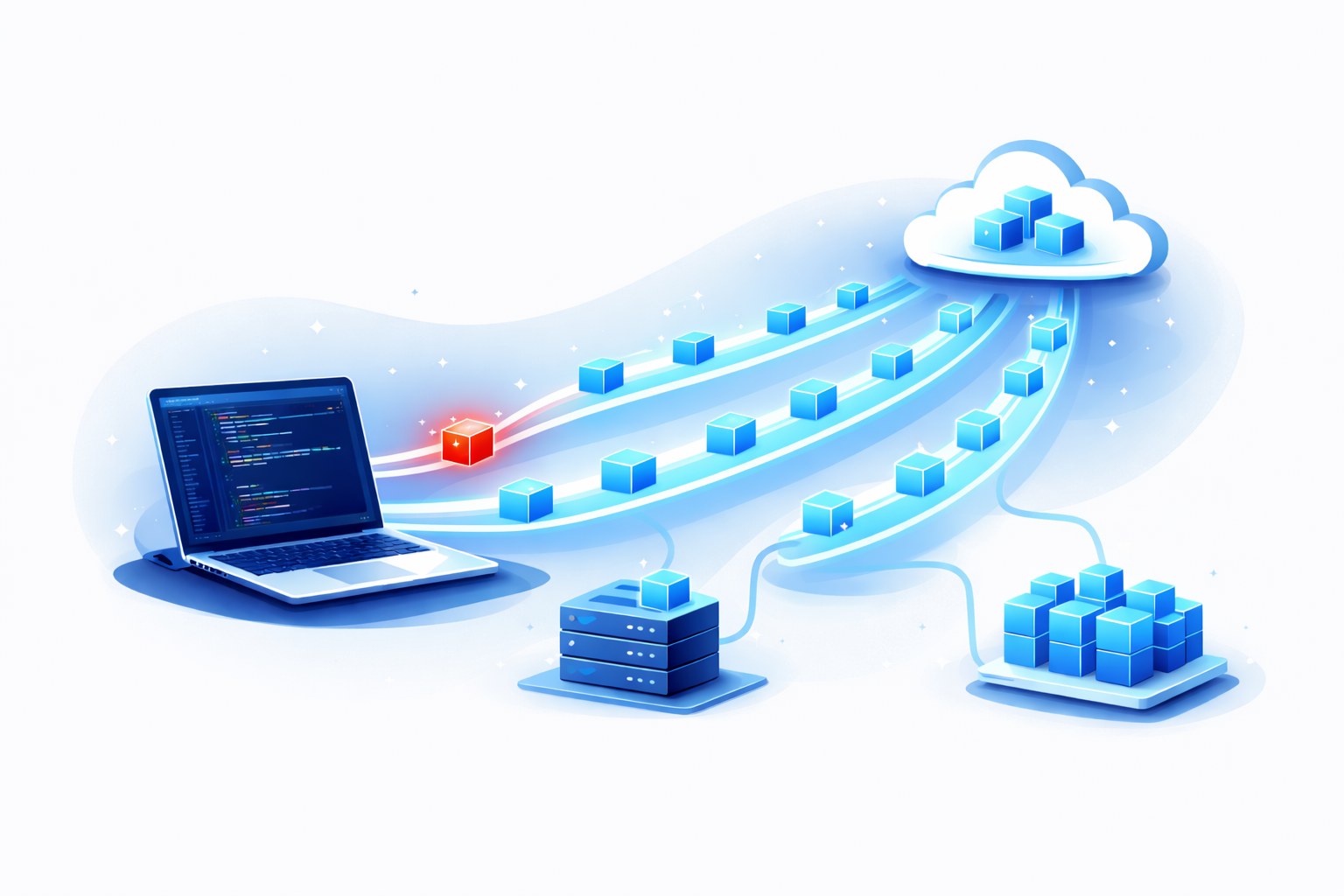
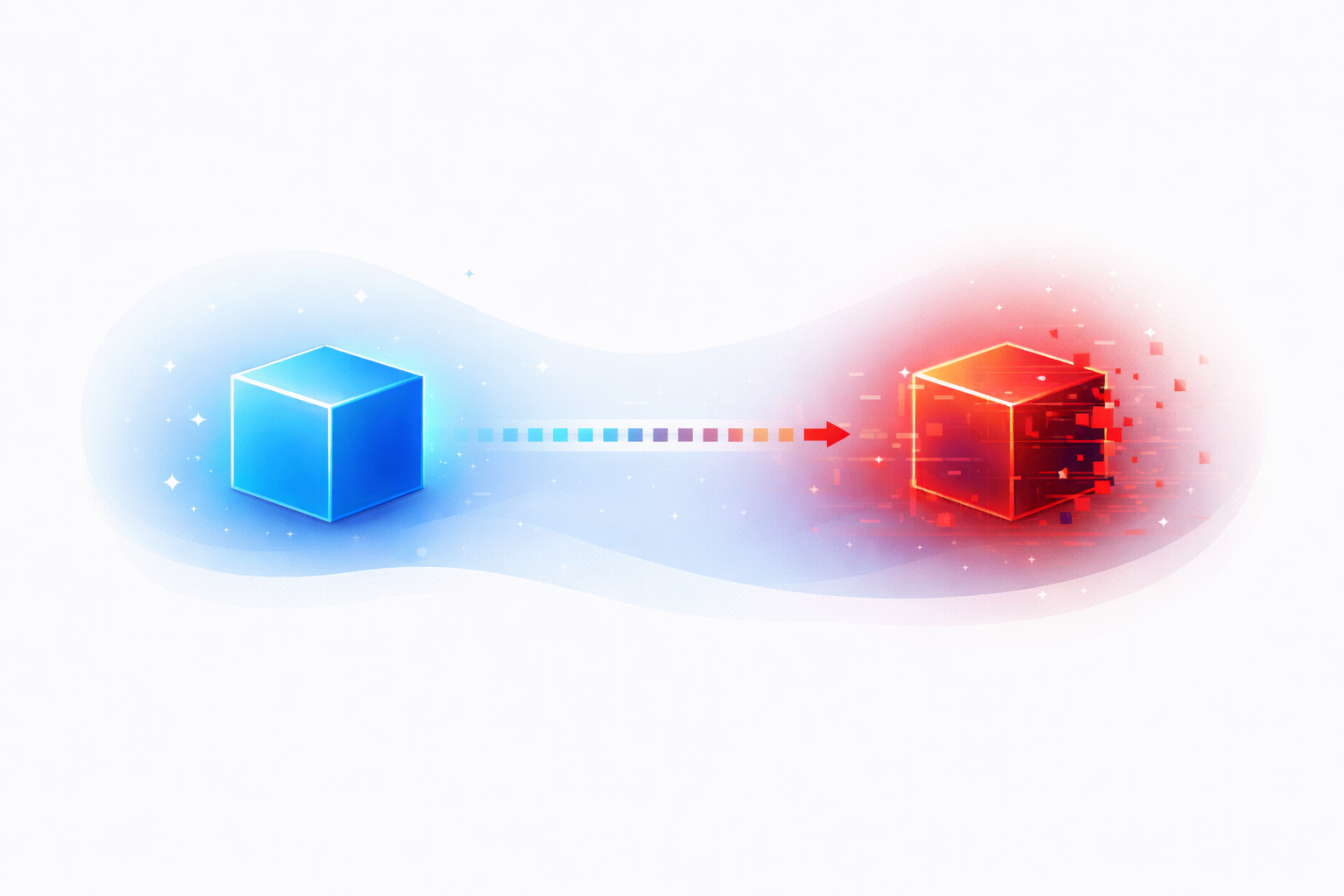
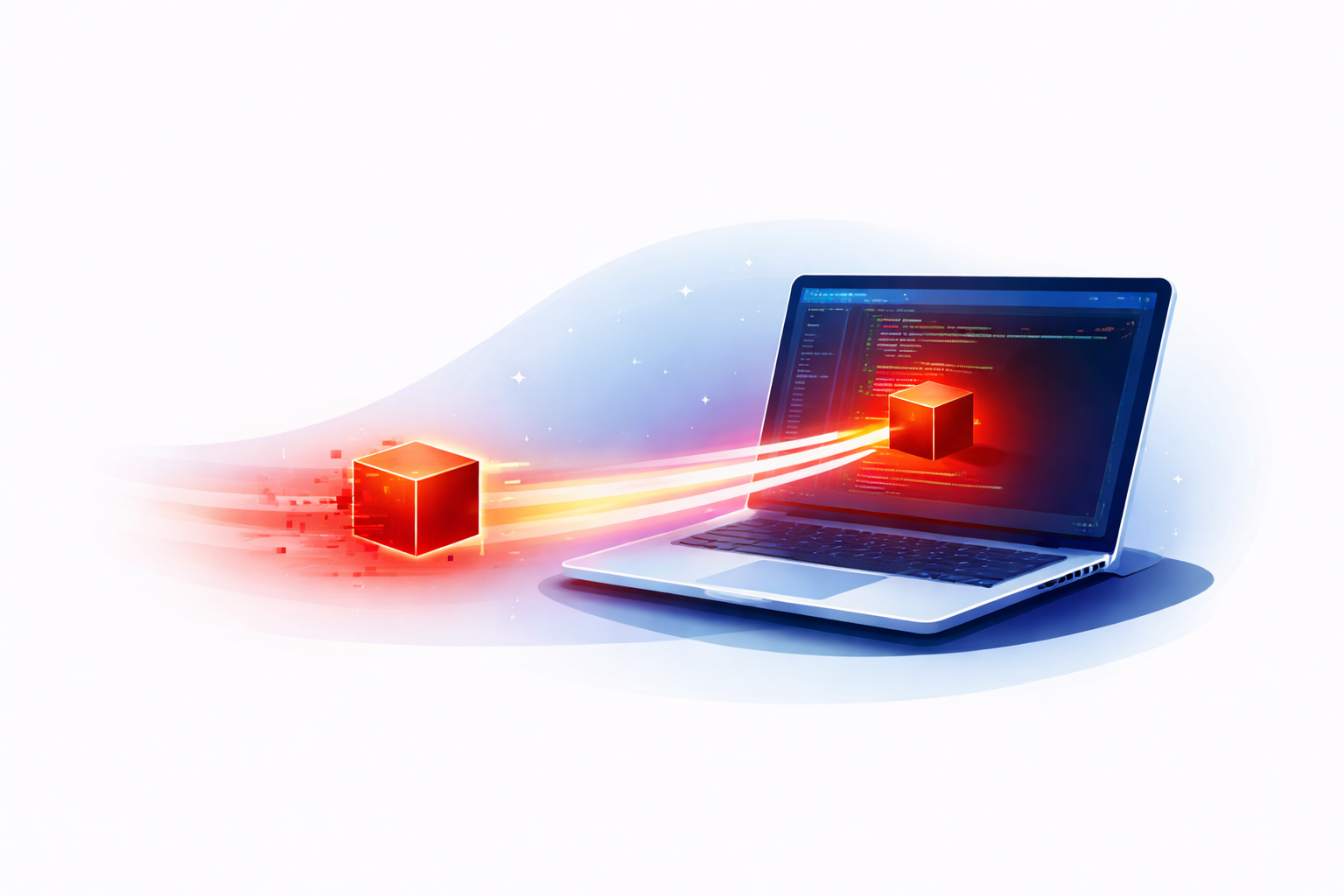
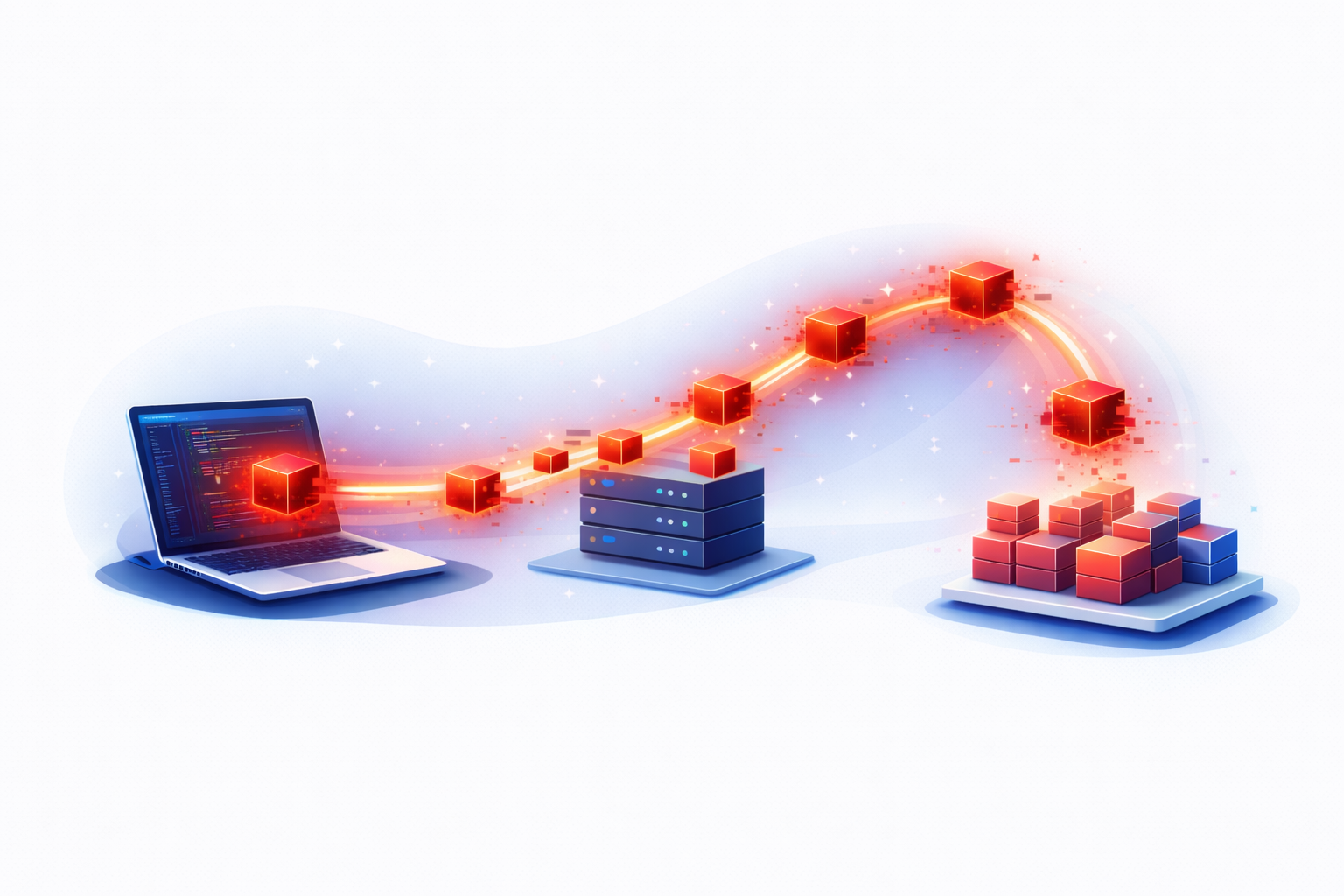
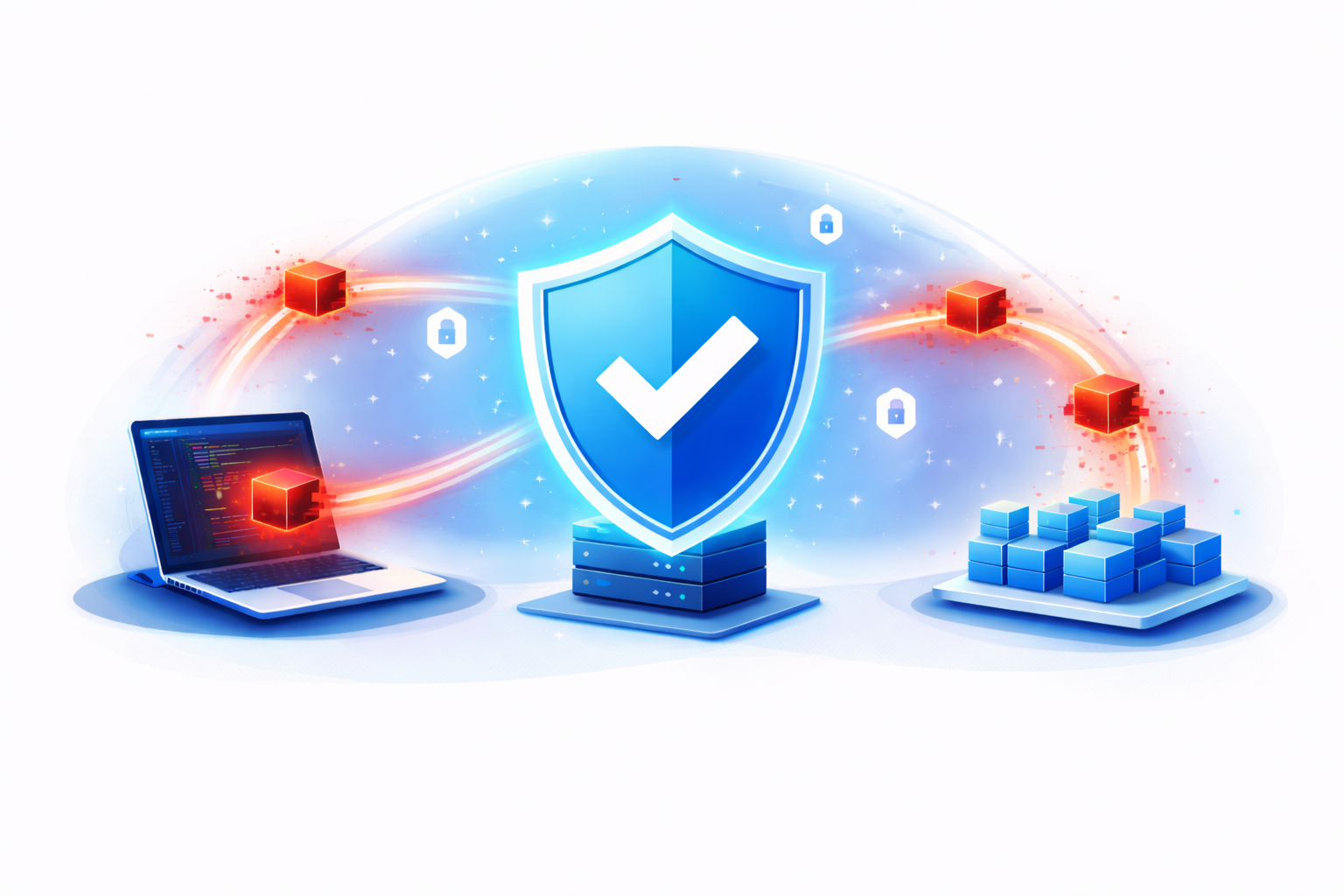
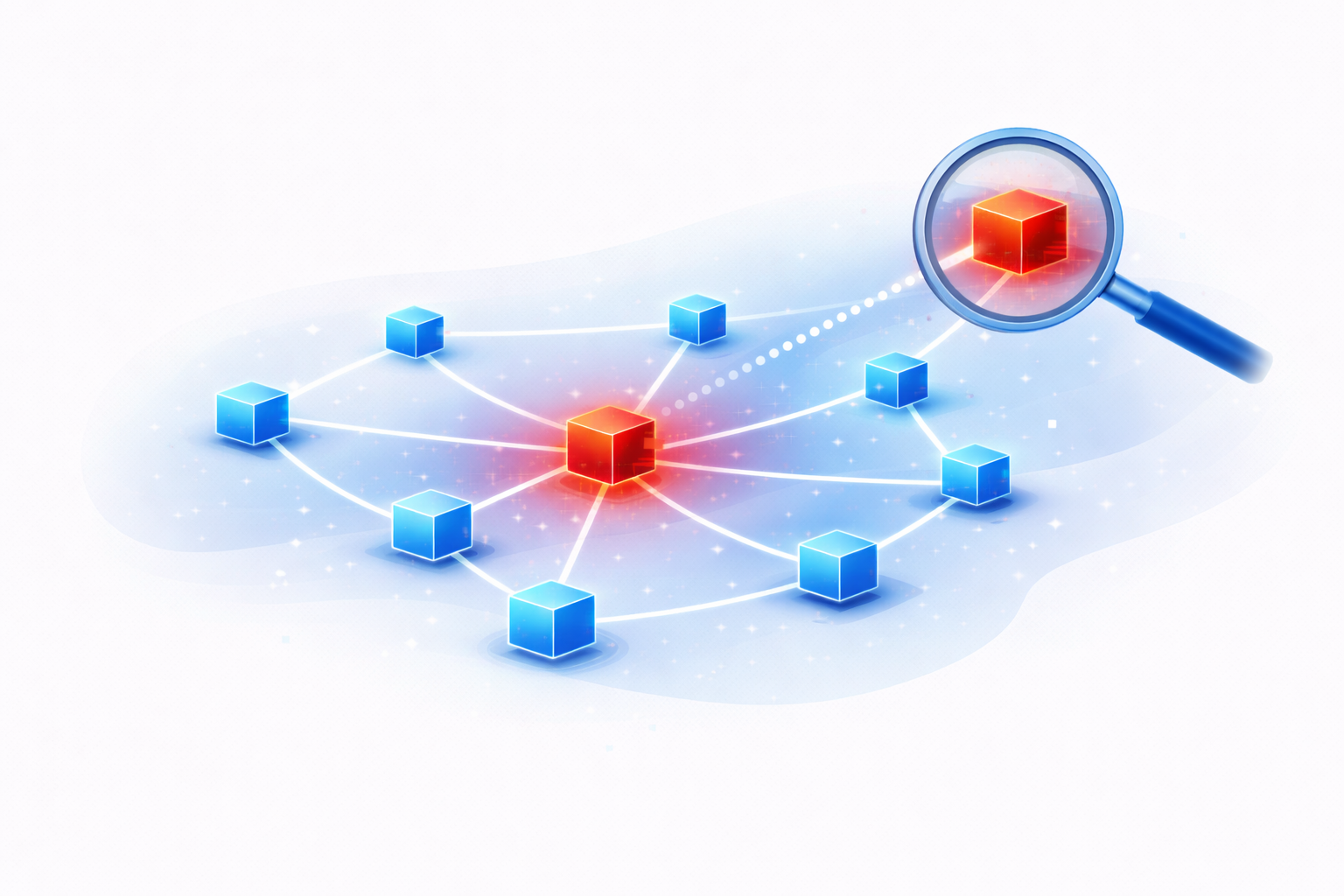
Every npm install can introduce code from maintainers, mirrors and dependency chains your team did not directly review.
Developers and pipelines pull packages directly from public registries. That speed is useful, but it also means external code can enter trusted environments without a decision point.
Compromised maintainers, malicious updates, typosquatting and nested dependencies work because most checks happen after the package has already been installed.
When an incident starts in a dependency, teams need to know what was requested, who requested it and why it was allowed before the damage spread.
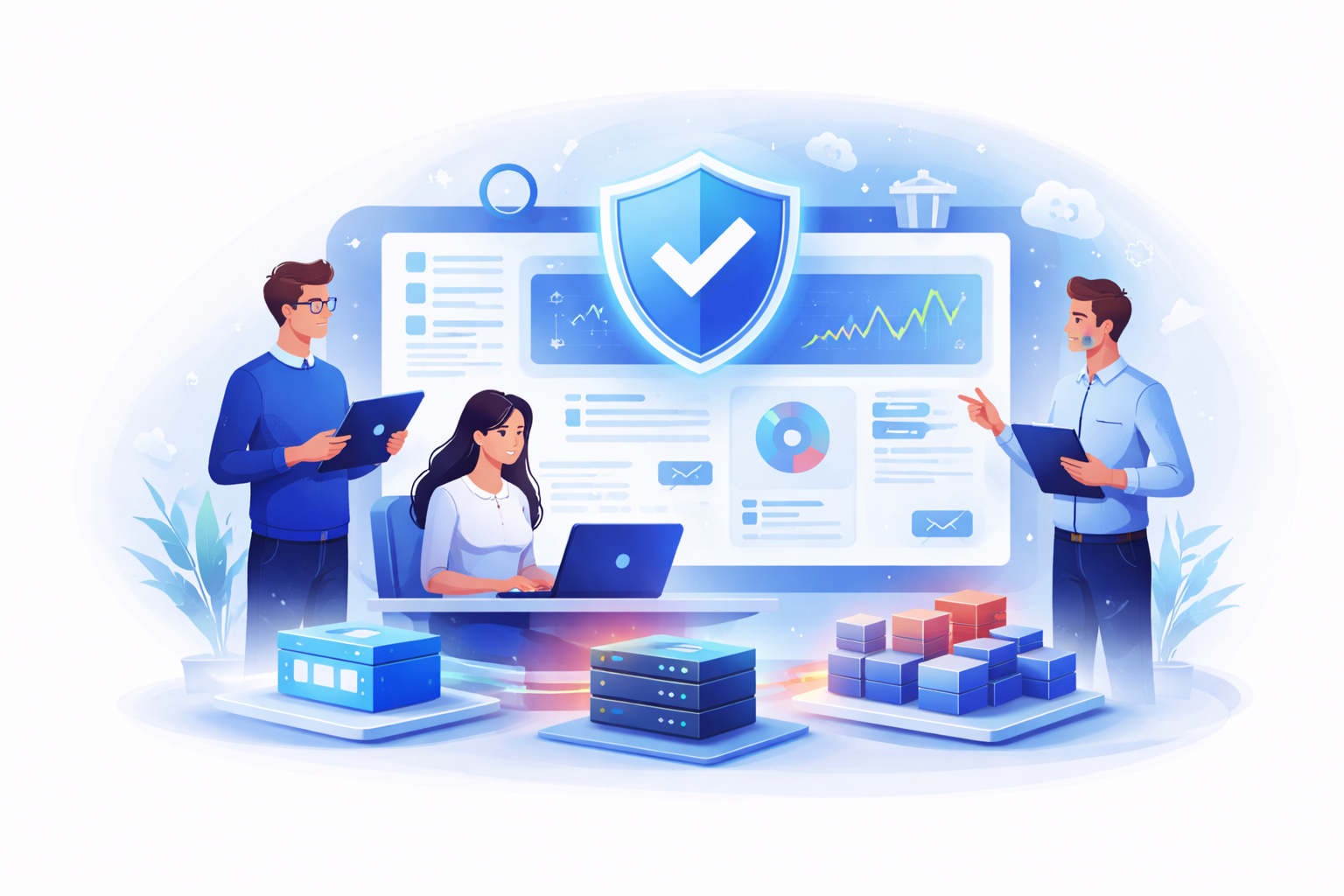
NpmShield creates a controlled checkpoint between your teams and public registries so package traffic becomes visible, governed and enforceable.
NpmShield gives security and platform teams a control point in front of npm traffic, so risky packages can be blocked before installation.
Turn package requests into usable evidence: which dependency was requested, by which token, under which tenant and at what time.
Separate local development from CI/CD, phase in policies gradually and give customers or auditors a clear package-control story.
Start by routing npm traffic through NpmShield instead of directly to the public registry.
Package requests pass through the same security-aware gateway before code enters your environment.
Usage, tokens and package decisions become measurable per tenant, team or pipeline.
Reduce direct dependency pulls from the internet without an approved control layer.
The earlier you control dependency intake, the less time you spend reconstructing what went wrong.

A developer or pipeline installs a dependency that appears legitimate, routine and safe. The package may have a familiar name, a normal version number and no obvious warning signs.

The compromised dependency executes during install or runtime while normal work continues. Secrets, build context or system details can be touched before anyone realizes the package should have been blocked.

Suspicious build, endpoint or network behavior appears across connected systems. The team now has to correlate logs, tokens, package activity and pipeline events to understand where the incident started.

The investigation traces the incident to external code that should never have entered the build. By this point, the problem is cleanup, audit evidence and proving the same path cannot be abused again.
Instead of asking which dependency caused the problem after the incident, you decide upfront which packages are allowed to enter developer machines and build pipelines.
NpmShield helps security and platform teams show that dependency intake is governed, measurable and aligned with real enforcement.
NpmShield fits into the workflow developers already use while giving the organisation a security checkpoint before npm packages are installed.
Change the registry configuration so developer machines and CI/CD jobs request packages through the approved NpmShield endpoint.
Every request is tied to a token, tenant and context. That gives you the basis for allow, block, review and audit decisions.
Allowed packages are delivered to the build. Risky or disallowed packages are stopped before they become an incident.
For teams, adoption starts with a clear npm configuration change. For security, that change creates a measurable control path.
registry=https://www.npmshield.eu
//www.npmshield.eu/:_authToken=YOUR_TOKEN
NpmShield is not another after-the-fact scanner. It is a gate in front of package intake, which makes the value concrete for CISOs, platform teams and auditors.
Begin by routing traffic and measuring package usage, then expand into stricter policies, approvals and customer-specific governance.
For teams that want immediate package visibility, tenant tokens and a controlled npm entry point.
For organisations that need stronger policy separation between developers, CI/CD and production delivery paths.
For larger environments that need custom governance, retention, integrations, reporting and deployment support.
NpmShield reduces exposure by changing the moment of control: before install, before build execution and before external code spreads.
Requests, tokens, bandwidth and policy decisions can be tracked per tenant and over time, supporting both security governance and commercial reporting.
Clear answers for security, platform and engineering leaders evaluating package-control before installation.
Most pilots start by routing one team or one CI/CD workflow through NpmShield. That gives immediate visibility into package requests, token usage and the packages currently entering your builds.
Developers keep using npm. The key change is that package requests go through the approved NpmShield registry endpoint, where access can be logged, governed and blocked when needed.
Yes. A focused rollout is the preferred path: one team, one repository group or one pipeline class first, then expansion once behavior and performance are validated.
Yes. Separate tokens make it possible to distinguish developer laptops from automated build jobs and apply different review, blocking or reporting rules.
NpmShield reduces uncontrolled dependency intake. It gives your organisation a decision point before npm packages and transitive dependencies enter developer machines or build environments.
After installation, the issue becomes investigation and containment. Before installation, you can still prevent risky external code from entering the trusted delivery path.
No. Scanners identify known issues in code and dependencies. NpmShield controls the intake path, so risky or unapproved packages can be stopped before they are installed.
You can show which package was requested, by which token, under which tenant and at what time. That turns dependency intake into evidence instead of assumptions.
The goal is visible control without daily friction. Pilots should measure install speed, repeated package behavior and CI/CD performance before broader rollout.
Yes. Tenant-aware separation and token-based access are designed for environments where teams, business units or customers need separate visibility and control.
Measure package request volume, blocked or reviewed packages, token usage, install performance and whether any direct registry bypass paths still exist.
Approved requests continue to the build workflow. The difference is that the request is now authenticated, measurable and part of an enforceable control path.
Any dependency control is strongest when policy, network rules and developer guidance support the approved path. NpmShield gives you the gateway; enforcement makes it the standard route.
Direct access to public registries outside the approved flow. During rollout, teams should identify and close those alternate intake paths.
No single control removes all risk. NpmShield focuses on a critical moment: deciding what external package code may enter before installation.
Customers increasingly ask how software suppliers control third-party code. NpmShield gives you a concrete answer: package intake is governed before it reaches builds.
Start with a tenant, generate the first token and route package traffic through a controlled gateway.